




Parasitology
Latest News
Advertisement
Latest Videos





Shorts

0:37
Suspect New World screwworm? Tips for collecting and sending maggots
12 days ago
by
Abi Bautista-Alejandre, Assistant Editor(+1 more)

3:30
Weekly Vet Report: Can pets spread Cyclospora? Plus, the link between gait and canine cognition
16 days ago
by
Abi Bautista-Alejandre, Assistant Editor

0:51
Many “screwworm” submissions to labs are misidentified insects, expert explains
a month ago
by
Christopher Lee, DVM, MPH, DACVPM, DACVM (parasitology); Cert: FFC, CFV, RECOVER-ALS(+1 more)
1:02
How to identify a New World screwworm maggot
2 months ago
by
Christopher Lee, DVM, MPH, DACVPM, DACVM (parasitology); Cert: FFC, CFV, RECOVER-ALS(+1 more)
2:20
Weekly Vet Report: FIP's shorter treatment window, lone star ticks driving red-meat allergies & more
2 months ago
by
Abi Bautista-Alejandre, Assistant Editor
2:08
New World screwworm cases rise to 12 in the US
2 months ago
by
Christopher Lee, DVM, MPH, DACVPM, DACVM (parasitology); Cert: FFC, CFV, RECOVER-ALS(+1 more)
3:00
Weekly Vet Report: Screwworm is back in the US. As cases emerge, what's at stake for animal health and the economy
2 months ago
by
Abi Bautista-Alejandre, Assistant Editor
0:58
Parasitologist warns Texas New World screwworm detection may be just the beginning
2 months ago
by
Christopher Lee, DVM, MPH, DACVPM, DACVM (parasitology); Cert: FFC, CFV, RECOVER-ALS(+1 more)

0:45
Why early leptospirosis tests can be falsely negative in dogs
3 months ago
by
Jane Sykes, BVSc, DACVIM (SAIM), PhD, MPH, MBA, FNAP(+1 more)

0:37
Educating clients on year-round heartworm prevention
3 months ago
by
Kristen Coppock Crossley, MA(+1 more)
Podcasts








CME Content








































Advertisement
More News
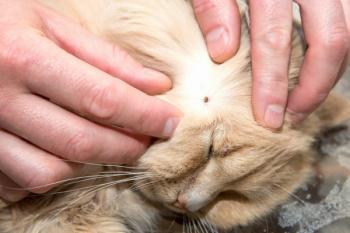
A fatal feline case near Oklahoma City spotlights cytauxzoonosis, a fast-moving, often-lethal tick-borne disease with a narrow treatment window.

Texas A&M researchers detected Rickettsia typhi and Bartonella species in fleas pulled from domestic cats in the Rio Grande Valley, reinforcing the case for year-round parasite control.
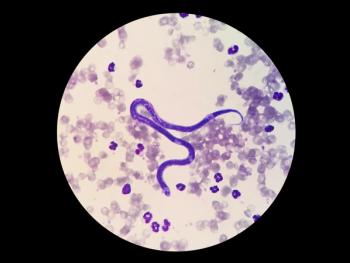
Embrace Pet Insurance reports diagnosis claims rising sharply across regions, seasons, and age groups, suggesting that long-held assumptions about heartworm risk may be outdated.
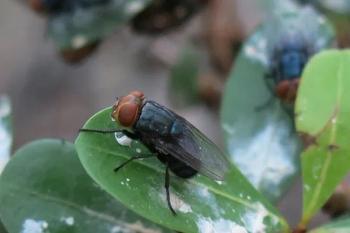
dvm360's weekly tracker of confirmed New World screwworm (NWS) detections in the US. Here's the update for July 3, 2026.
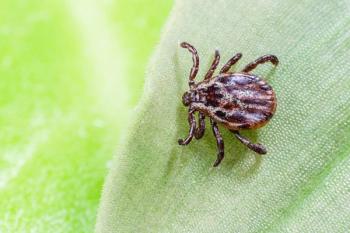
Experts recommend that veterinary teams reassess tick prevention as shifting ranges and emerging pathogens change exposure risks for animals and people.
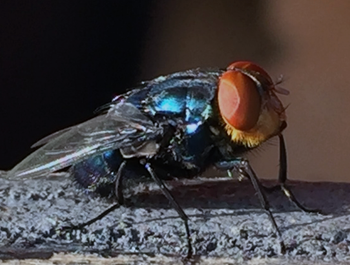
After nearly 60 years of successful eradication in the US, the New World screwworm has reemerged, prompting renewed surveillance and containment efforts.

A dozen VET members from Texas A&M University deployed June 13, 2026 in support of Texas Animal Health Commission field operations.
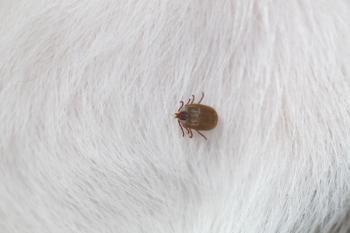
Elanco's TruCan Ultra Lyme-L4 is a combination therapy that aims to protect dogs against increasing health risks.
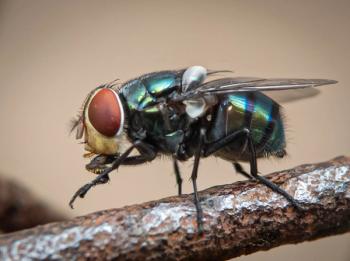
New World screwworm cases rise to 9 as FDA emergency authorizes OTC treatment for pets, plus the launch of a generic for congestive heart failure in dogs.

A list of available treatments for screwworm infestations in cattle, horses, sheep, goats, deer, swine, cats, dogs, exotic, zoo, and wildlife species, as well as guidance for practitioners before using these products.

New World screwworm confirmed in New Mexico dog as US case count rises to 5
Published: | Updated:
Federal officials have confirmed additional New World screwworm detections in Texas and New Mexico, bringing the total to 5 cases in 6 days, including the first in a companion animal since the parasite’s return to the United States.
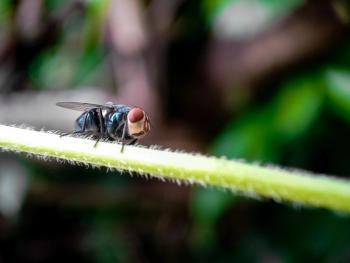
Christopher Lee, DVM, MPH, DACVPM, DACVM (Parasitology), on why the NWS detection in Texas signals something far bigger—and what clinicians need to do now. Plus: early warning signs, identification, lab submission, and risk to pets.
New World screwworm live updates: Tracking detections, treatment authorizations, and response efforts
ByAbi Bautista-Alejandre, Assistant Editor,Chris Mazzolini, VP, Content,Caitlin McCafferty, Content Producer
Published: | Updated:
Coverage of New World screwworm detections, FDA treatment authorizations, and response efforts across animal health and agriculture as the parasite reemerges in the United States.

The affected animal is a 3-week-old calf in Zavala County, Texas. To date, APHIS has reported no further detections.

Zoetis' doramectin injection is now indicated for use in dairy cows, horses, sheep, swine, and deer to help mitigate NWS myiasis.
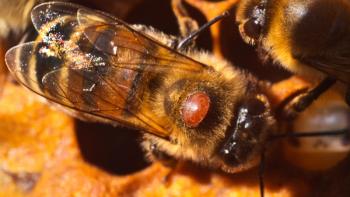
New research and treatment methods are finding ways to combat the parasitic Varroa mite to save colonies from collapsing.

Researchers at the University of Washington have found a dangerous tapeworm in Washington coyotes, raising potential concerns for dogs and humans.
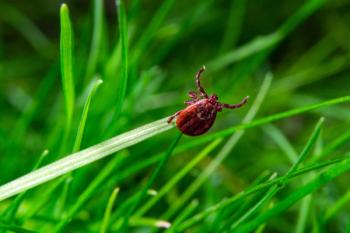
Tick risk is no longer seasonal—Susan E. Little, DVM, PhD, DACVM (Parasitology), explains what’s changed and how to protect patients year-round.
A US Environmental Protection Agency emergency exemption is allowing US officials to import Tanidil as part of a growing federal response to prevent New World screwworm from entering the country.
The authorization adds to a growing list of treatments cleared under emergency use as federal agencies ramp up efforts to prevent New World screwworm from reestablishing in the United States.
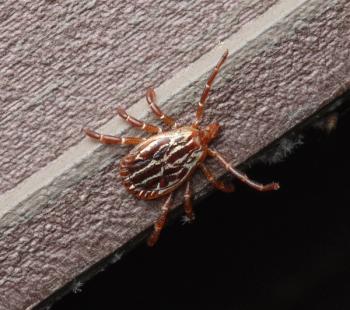
A study from The Ohio State University provides the first quantitative evidence that 2 tick species can survive for weeks on common household flooring, underscoring the need for veterinarians to reinforce year-round tick prevention and home risk mitigation strategies with clients.
The FDA emergency use authorization (EUA) expands the New World screwworm treatment tool kit to cattle, small ruminants, horses, exotic mammals, and wild and pet birds.
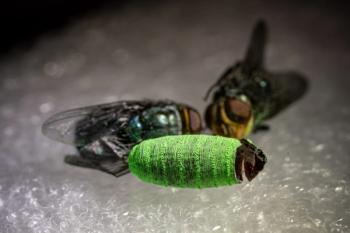
The construction of a sterile fly production facility is underway at Moore Air Base in Edinburg, Texas, to help combat New World screwworm (NWS).
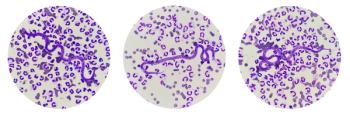
Susan E. Little, DVM, PhD, DACVM (Parasitology), explains why tapeworm and heartworm tests miss cases, how fecal flotation falls short, and why clinician judgment matters most.

Long-duration flea and tick collars can be a valuable, practical component of comprehensive parasite prevention.
Advertisement
Advertisement
Trending on dvm360
1
Weekly Vet Report: Adequan recall, vaccine updates and tularemia in animals
2
UC San Diego, San Diego County develop dashboard to track New World screwworm and forecast its spread
3
The VPA model doesn't solve veterinary medicine's real problem
4
Purina releases FortiFlora diarrhea kit for dogs and cats
5