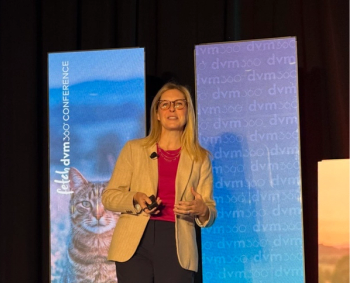
Sea You at Fetch Long Beach
|Videos|January 19, 2022

The secret to retaining veterinary technicians

During an interview with dvm360®, Tasha McNerney, CVT, CVPP, VTS (Anesthesia and Analgesia), revealed why veterinary technicians often leave the field, plus how utilizing their capabilities can promote sustainability and profit.

In an interview with dvm360®, Tasha McNerney, CVT, CVPP, VTS (Anesthesia and Analgesia), highlighted a problem plaguing the veterinary technician industry: when their skills don't get used to their fullest potential, they are inclined to pursue a different field.

View the video below for the entire discussion. The following is a partial transcript.

Tasha McNerney, CVT, CVPP, VTS (Anesthesia and Analgesia): A lot of the technicians end up leaving the field some for money, but also some because they just get bored because they are just stocking shelves or they're just holding animals for the doctors. I mean, especially if you're a veterinary technician specialist, I don't think that many of the clinicians understand everything that's on a veterinary technician specialist's skills list, and everything that we're capable of.



Related to this article

Q&A: Caregiver burden can begin early in pet illness. Are veterinary teams equipped to support clients, and how can veterinary social workers help both parties?
Caroline Cox, LSW, MSW, and Erika Krick, VMD, DACVIM (Oncology), discuss the role of veterinary social workers in supporting clients, communicating with veterinary teams, and helping practices address the human side of veterinary care in this Q&A from an interview at the 2026 Fetch National Harbor Veterinary Conference.
Inside veterinary social work
In a slideshow drawn from an on-site dvm360 interview at the 2026 Fetch National Harbor Veterinary Conference, a veterinary oncologist and a veterinary social worker walk through how the role supports owners and staff across a pet's cancer diagnosis, treatment, and end-of-life care.