Sea You at Fetch Long Beach
|Videos|April 28, 2022

Treating potential autoimmune diseases affecting the skin

Downtown Charlotte, NC

In a dvm360® interview, Julia Miller, DVM, shared treatment approaches for when a pet is suspected to have an autoimmune disease, but a biopsy isn’t feasible.

This video is sponsored by Blue Buffalo.

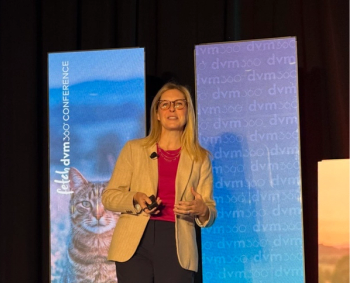
During an interview with us during the Fetch dvm360® conference in Charlotte, North Carolina, Julia Miller, DVM, assistant clinical professor, section of dermatology at Cornell Universtiy College of Veterinary Medicine, highlighted treatment options for when a patient is presenting with signs of an autoimmune disease, but a biopsy isn't possible. She advised on how to treat with immunosuppressive drugs, rule out infectious diseases, plus offered more tips.

View the video below for the entire discussion. The following is a partial transcript.

Julia Miller, DVM: If you think that an animal has an autoimmune disease, and the biopsy is impossible to do for health reasons, or you know, the client declines it for cost reasons, [which is] understandable, you can absolutely treat with your immunosuppressive drugs, whether you do that orally, or orally and topically, whatever kind of works for you.



Related to this article

Q&A: Caregiver burden can begin early in pet illness. Are veterinary teams equipped to support clients, and how can veterinary social workers help both parties?
Caroline Cox, LSW, MSW, and Erika Krick, VMD, DACVIM (Oncology), discuss the role of veterinary social workers in supporting clients, communicating with veterinary teams, and helping practices address the human side of veterinary care in this Q&A from an interview at the 2026 Fetch National Harbor Veterinary Conference.
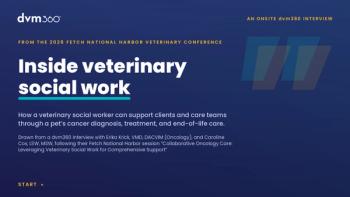
Inside veterinary social work
In a slideshow drawn from an on-site dvm360 interview at the 2026 Fetch National Harbor Veterinary Conference, a veterinary oncologist and a veterinary social worker walk through how the role supports owners and staff across a pet's cancer diagnosis, treatment, and end-of-life care.