

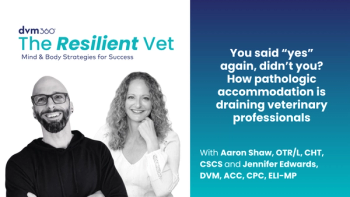
The habit of saying yes looks like dedication. Over time, it can quietly erode effectiveness, well-being, and sense of self, explains Jennifer Edwards, DVM, ACC, CPC, ELI-MP, in this episode of The Resilient Vet.
The habit of saying yes looks like dedication. Over time, it can quietly erode effectiveness, well-being, and sense of self, explains Jennifer Edwards, DVM, ACC, CPC, ELI-MP, in this episode of The Resilient Vet.
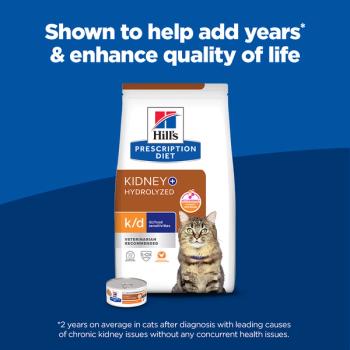
The new diets may help veterinarians manage pets with chronic kidney disease and concurrent skin or gastrointestinal concerns.
List of available treatments for screwworm infestations in cattle, horses, sheep, goats, deer, swine, cats, dogs, exotic, zoo, and wildlife species. Plus guidance for practitioners before using these products.
Federal officials have confirmed additional New World screwworm detections in Texas and New Mexico, bringing the total to five cases in six days, including the first in a companion animal since the parasite’s return to the United States.
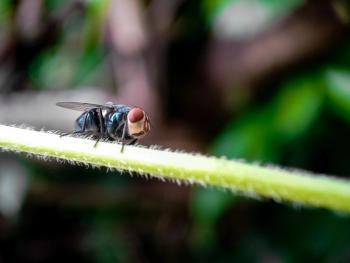
Christopher Lee, DVM, MPH, DACVPM, DACVM (Parasitology), on why the Texas detection signals something far bigger—and what clinicians need to do now. Plus: early warning signs, identification, lab submission, and risk to pets.
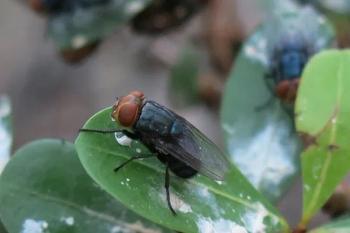
The latest updates on how the US government, veterinary, and agriculture industries are responding to the June 3 discovery of New World screwworm in a South Texas calf.

The newly launched product is indicated for the induction and maintenance of general anesthesia in dogs and expands the range of inhalant anesthetic options available to veterinary practices.
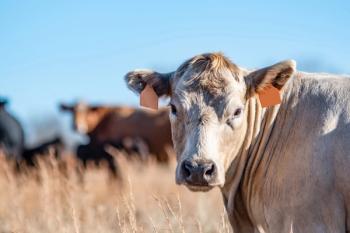
The supplemental approval expands KetoMed's existing label to include a new species and indication, offering veterinarians a generic alternative to the brand-name Ketofen.
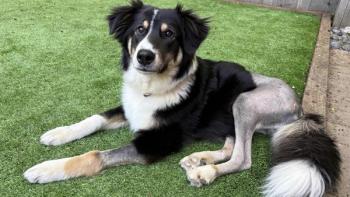
A 1-year-old dog was found at a landfill, unable to walk due to complex femur and pelvic fractures, and was brought to the UC Davis William R. Pritchard Veterinary Medical Teaching Hospital for surgical repair.

Theresa Cosper-Roberts, RVT, CVPM, ACE(DE), CVBL, on the culture of silence around clinical mistakes.

New leadership moves, recognition, and achievement.
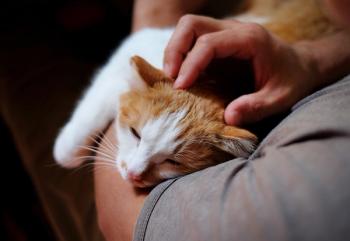
The CDC has documented the first known cat-to-human transmission of H5N1 avian influenza, a new injectable monoclonal antibody for itchy dogs has launched, and a recall involving more than 180 raw dog food products linked to reported pet illnesses has led a company to completely stop production.
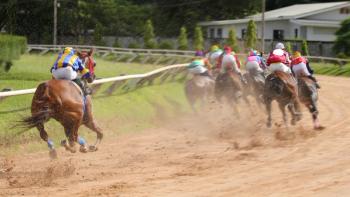
New findings from a yearlong AAEP research project reveal how real-time biometric data can help trainers and veterinarians predict racehorse injuries before they happen.

Federal and state officials identified Listeria monocytogenes in multiple Raaw Energy products distributed across 9 states. The company has since stopped production and expanded its recall to all products made over a 5-month period.

In this episode of The Resilient Vet, Jennifer Edwards, DVM, ACC, CPC, ELI-MP, introduces a conscious leadership framework to address the internal patterns that drive professional habits, enabling veterinary professionals to shift workplace outcomes and prevent burnout.
The latest updates relating to animal care establishments and platforms.
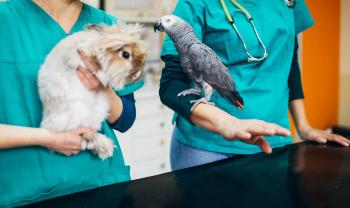
Lauren Thielen, DVM, DABVP (Avian Practice), on why gastrointestinal (GI) stasis is a misleading diagnosis, what gets missed when the workup is skipped, and when stabilization has to come first.

New leadership moves, recognition, and achievement.
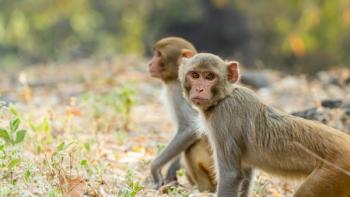
A naturally occurring gene mutation in rhesus macaques closely replicates autosomal dominant optic atrophy, a rare genetic optic neuropathy in humans, giving researchers a new model to study vision loss in humans and potential therapies.
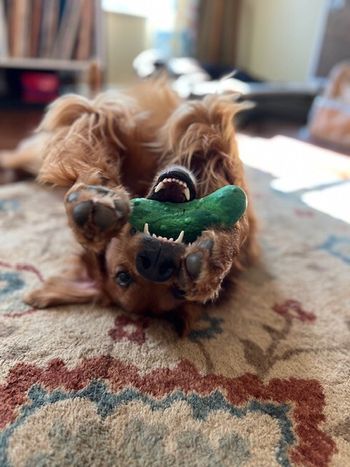
A dog in Knoxville, Tennessee, ingested 80 to 90 phenobarbital tablets belonging to a visiting pet and was found unresponsive by her family.
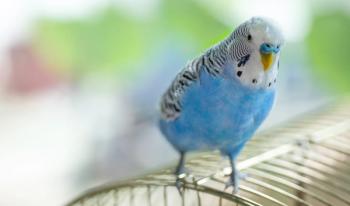
Learn why the unique avian respiratory anatomy make breathing efficient yet infection-prone, plus how CT imaging detects subtle respiratory disease earlier than x-rays.
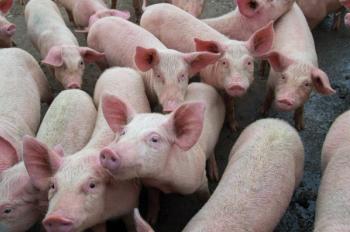
The first US commercial pseudorabies case in more than 2 decades has triggered surveillance, depopulation, and biosecurity measures in Iowa and Texas.

New leadership moves, recognition, and achievement.
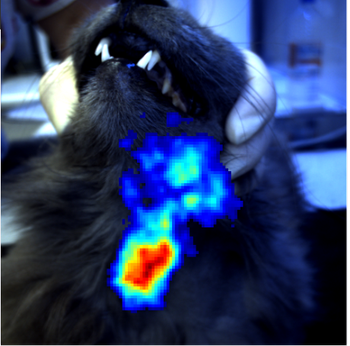
A portable gamma–optical camera brings point-of-care thyroid imaging into veterinary practice, with a new hybrid system used in Greece to evaluate cats with known or suspected hyperthyroidism.
A newly conditionally approved treatment for a painful neurologic condition in dogs, the first detection of pseudorabies in US commercial swine in more than 20 years, and a nationwide raw pet food recall over Salmonella contamination.
A slideshow on what veterinarians should know about recognizing, diagnosing, and managing OA in dogs, with insights from Kristin Kirkby Shaw, DVM, PhD, MS, DACVS-SA, DACVSMR.

The latest updates relating to animal care establishments and platforms.
An episode on addressing the aches and pains of clinical work through practical ergonomic strategies, alongside a free veterinary ergonomic checklist from occupational therapist Aaron Shaw, OTR/L, CHT, CSCS.
Pregabalin chewable tablets target nerve-related pain by reducing the release of neurotransmitters involved in pain signaling within the spinal cord.

A roundup of the latest products and innovative technology in veterinary medicine.
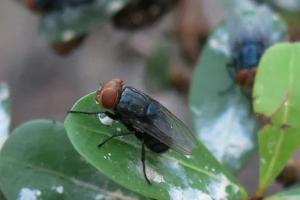
Published: June 4th 2026 | Updated: June 8th 2026
Published: May 12th 2026 | Updated: May 20th 2026
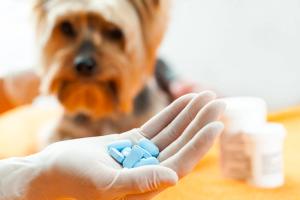
Published: November 21st 2025 | Updated: January 7th 2026
Published: October 30th 2025 | Updated: November 5th 2025
Published: October 17th 2025 | Updated: October 22nd 2025

Published: April 17th 2025 | Updated: May 13th 2025