
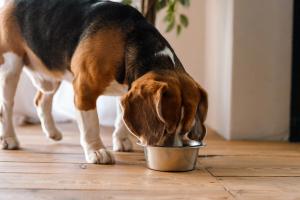



For the sixth year in a row, Nationwide reports that pet obesity is once again on the rise.
For the sixth year in a row, Nationwide reports that pet obesity is once again on the rise.
A report by Grand Review Research, Inc. announced a projected increase in the global pet food market to $99 billion by 2022.

In 2016, huge gains were made in the limiting of animal research and testing, but there’s still more to be done.
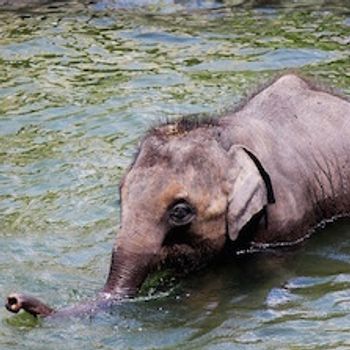
After a severe injury to her left leg 2 months ago, 5-month-old baby elephant Fah Jam is finally feeling better with the help of hydrotherapy.
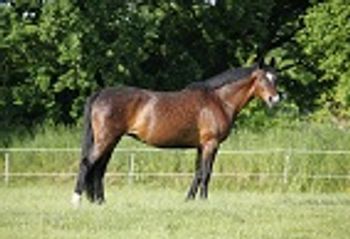
When horses are unable to solve a problem, they will use visual and tactile signals to ask humans for help.
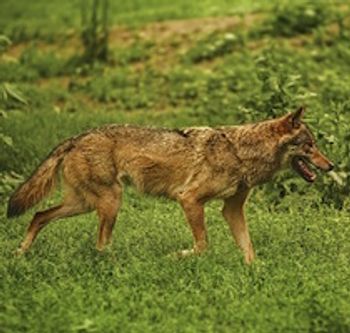
Quarters for Conservation, an innovative program at the Oakland Zoo in California, raises money for both on-site and worldwide conservation efforts.

A grant of nearly $240,000 has been awarded to KSU for training of rural veterinarians in a range of important areas.
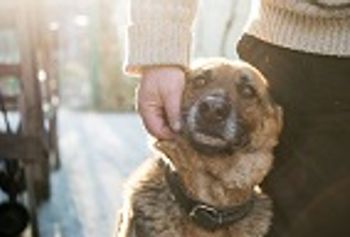
Researchers found recently that cranberry extract does not reduce the incidence of bacteriuria in dogs with acute intervertebral disk herniation.

All you need is a learning spirit. Well provide the plan and the chance to meet like-minded team members in Virginia Beach... and well put you on the path to greater job satisfaction. Make plans now to join your colleagues March 18 - 21.
Two young boys are helping local animals this week by collecting pet food and supplies from their neighbors.

As in dogs, body weight has a clinically relevant effect on echocardiographic measurements in cats.
Two North Carolina hotels are offering guests an adoptable dog program to help local animal shelters find homes for dogs in need.
Research has shown that chickens are not as bird-brained as people believe them to be.
Shawn McVey, MA, MSW, offers six symptoms to diagnose a toxic team environment.
Satellite observations have helped scientists better understand how animal habitats are being altered due to the changing climate. This information can also help scientists peek into the future and forecast what animals might do next.
In a first-of-its-kind international study, researchers have found that dog walking increased levels of perceived neighborhood surveillance and safety in some communities.
Please, PLEASE don't let these happen to you. Architect Heather Lewis at the Veterinary Economics Hospital Design Conference shared these with us at CVC Kansas City.
When pet owners visit veterinary practice, their first and last interactions are typically with the front office team. Consequently, client service representatives need to be well trained to create positive first and last impressions.
Hyperbaric oxygen therapy (HBOT) is the use of oxygen under pressure delivered in a specialized chamber built to withstand high internal pressure.
The importance of early environmental exposure for puppies has been recognized since the early 1960s. However, not all exposure is the same and proper implementation takes thoughtful preparation and planning.
Ed Turner was staying in patient housing provided by Cancer Treatment Centers of America, feeling weak, tired and anxious about what he was facing. After years of remission from kidney cancer, the disease had returned, this time in his liver. The Elkton, Virginia, resident’s white blood cell count soared; he had an infection and felt too sick to even talk to family. When Cynthia Ingram, a registered nurse and animal therapy coordinator at CTCA, brought therapy dog Tori to visit Turner and his wife, Michelle, at their guest quarters, Turner was touched.
We end this year faced with the uncertainties of a future with new government and what this will mean for the veterinary profession.
Most people want to know only one thing about fleas: how to kill them. Flea control is much easier than it once was, though preventing fleas is still simpler than treating an established infestation.
Along with butchers, bakers, and candlestick makers, veterinarians are representatives of the 28 million small businesses in the United States. However, as any of the approximately 78,000 working veterinarians in this country will attest, practicing veterinary medicine is very different from just about any other occupation.
In a study recently published in Acta Veterinaria Scandinavica, cats with a previous diagnosis of unilateral cranial cruciate ligament (CCL) injury displayed gait patterns and owner-assessed behavioral changes that differed from those of sound cats.
After years of writing articles and chapters as well giving many lectures on extraction techniques, there are common questions I receive over and over again about diagnostics, equipment and surgical closure.
Obesity, insulin resistance, and dyslipidemia have long been associated with reproductive difficulties in women. According to an article published in the December 2016 issue of Veterinary Clinics of North America: Equine Practice, similar associations likely occur in pregnant mares.
If you’ve had the privilege of working for a growing practice, you know how challenging it can be.