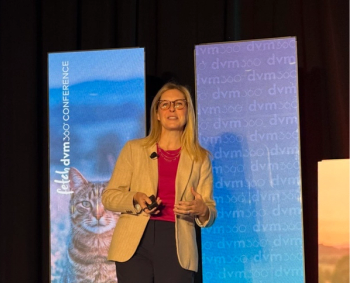
In this interview with Katelyn Carney, DVM, DACVIM (LAIM), she explains what the phrase "training your brain" means and how we can use well-being as a skill. That way, we can all work on well-being and practice better mental health.
Carney is currently completing a MA Ed degree with a trauma and resilience in educational environments concentration. Her professional interests include the science of learning, the science of wellbeing, project management, and career development. She is a certified Eight Active Ingredients of Tai Chi instructor under Peter Wayne, PhD, author of The Harvard Medical School Guide to Tai Chi.
The following is a partial transcript of the video.
Katelyn Carney, DVM, DACVIM (LAIM): Training your brain. That's a phrase I use to remind myself that when we think about personal or individual well-being, we really can think of it as skill based. So if I think about well-being as being skill based, for me that lightens the load a little bit, because it makes it more approachable to something that we all have the capacity for.
If we think about well-being, it circles back to human flourishing. Mental and physical health, social relationships, leaning into the meaning and purpose in your life—that self reflective inquiry, self inquiry process, those are all skills that each of us have the capacity for. And it may feel like very big, sometimes overwhelming things. And if we break them into these little discrete micro-practices, and if we can be intentional about practicing—when we're not in crisis, practicing when it's not hard—then we start to change those neural pathways in our brain.
Make sure to register to see Katelyn Carney, DVM, DACVIM (LAIM) speak on this topic at our Fetch dvm360 conference in Atlantic City this October!