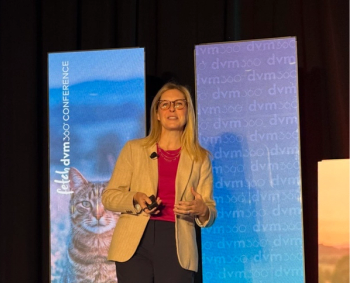
Sea You at Fetch Long Beach
|Videos|January 28, 2022

Invaluable advice for those new to Fear Free

In an interview with dvm360®, Debbie A. Martin, CPDT-KA, KPA CTP, LVT, VTS (Behavior), offered insight on how to approach Fear Free when first incorporating it into the practice.

During an interview with dvm360®, Debbie A. Martin, CPDT-KA, KPA CTP, LVT, VTS (Behavior), shared tips for those implementing Fear Free techniques into the clinic for the first time. Her tips include using an individualized approach, focusing on the younger pets, and more.

View the video below for the entire discussion. The following is a partial transcript.

Debbie A. Martin, CPDT-KA, KPA CTP, LVT, VTS (Behavior): When a practice is just starting Fear Free, [they should] really focus on the kittens and puppies, the ones that don't have an established fear of the [veterinary] hospital already–hopefully. And so you can really focus on them because it's going to go faster, right? They don't have this negative image or [have] had frightening things happen yet that were slightly uncomfortable. So focus on those young puppies and kittens [and] their first visits, and you'll see what a huge difference it makes.



Related to this article

Q&A: Caregiver burden can begin early in pet illness. Are veterinary teams equipped to support clients, and how can veterinary social workers help both parties?
Caroline Cox, LSW, MSW, and Erika Krick, VMD, DACVIM (Oncology), discuss the role of veterinary social workers in supporting clients, communicating with veterinary teams, and helping practices address the human side of veterinary care in this Q&A from an interview at the 2026 Fetch National Harbor Veterinary Conference.
Inside veterinary social work
In a slideshow drawn from an on-site dvm360 interview at the 2026 Fetch National Harbor Veterinary Conference, a veterinary oncologist and a veterinary social worker walk through how the role supports owners and staff across a pet's cancer diagnosis, treatment, and end-of-life care.