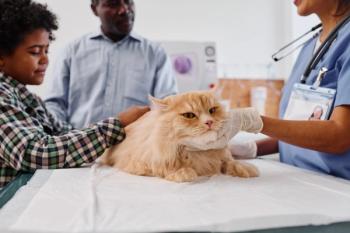

Alyssa Mages, BS, CVT, FVTE, shares guidance on assessing emergency patients, communicating with distressed clients, and establishing a team-based triage process.
Dive into this list of schools and organizations offering CE and resources on expanding your aquatic veterinary knowledge and practice.
Unless you specialized in aquatic medicine in veterinary school, you'll also need to take a variety of short courses on fish health, to develop a solid understanding of how water quality affects fish health, including the nitrogen cycle. Classes also allow you to connect with other fish doctors for support and encouragement.
Find links to continuing education and resources from the schools and agencies below at dvm360.com/aquaticadvice: