









What do you do when the emergency and specialty veterinarians you work with are really, really snooty about their general practice colleagues?
What do you do when the emergency and specialty veterinarians you work with are really, really snooty about their general practice colleagues?

The USDA will funnel $2.4 million in competitive grants for veterinary education, extension programs, training, and direct support to set up or expand practices in underserved rural areas of the United States, the agency announced May 9.

Knowing the barriers to care may aid in educating clients and addressing concerns that may impede care.

Companies that sell or distribute antibiotics for use in food animals will soon have to report sales by animal species, according to a revised rule finalized on May 10 by the US Food and Drug Administration (FDA).

A look at ideal dosing practices for this appetite stimulant in cats and what happens in cases of overdose.
Compared with mineral oil, fish oil supplementation for three months significantly improved objective measures of pain, lameness, and joint disease in dogs with osteoarthritis, according to a randomized, double-blind, multicenter trial.

In a recent preprint article, study authors confirmed Zika virus infection in 4 marmoset and 3 capuchin monkeys in Ceará, Brazil.

In the past few years, influenza D virus has been identified in cattle in the United States, France, and China. “Its intercontinental transmission and prevalence in both cattle and swine highlight its potential threat to other agricultural animals and humans,” write study authors.
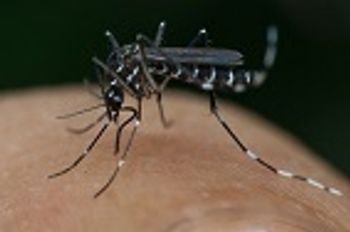
Veterinarians play a key role in educating the public about infectious diseases, and are expected to face several client questions about Zika virus infection.

So how are you going to help that BCS 5/5 yellow Labrador retriever in your exam room? Diet, sure, but what about exercise?

A review recently published in The Veterinary Journal discusses ways to minimize errors in veterinary diagnostic testing, both with tests run in-house and those sent to diagnostic laboratories.

Regular use of thiol-detection strip tests during canine wellness examinations helped owners visualize periodontal disease, and substantially increased revenue from dental cleanings, radiology, and oral care products compared with one year prior, according to a multicenter study published in the Journal of Veterinary Science and Technology.

Heres a hint: It doesnt involve herbs or grunge music.
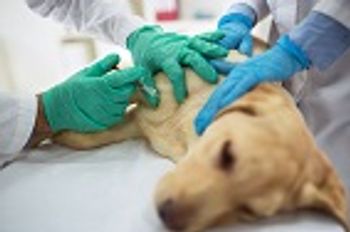
One of the most widely used veterinary anesthetics remains accessible, for now.

A recent study found that sulfadiazine given to pigs in powder form contaminated the environment to a greater degree than did sulfadiazine given in pelleted or granular forms.
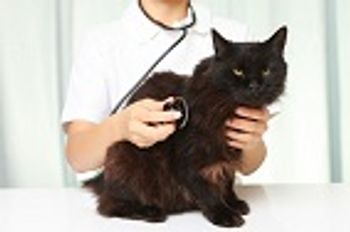
Medical advances are prolonging the life of animals and heightening the need for senior veterinary care. Both the AAHA and the AAFP have published guidelines on senior wellness examinations.
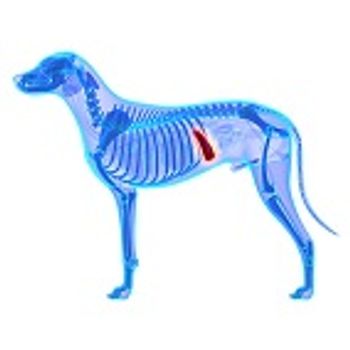
A recent study provides details of prognosis, complications, and mortality risk factors in dogs undergoing laparotomy for primary splenic torsion.

These veterinarians ditched regular practice life. Could relief work be the answer to the horrible stress, miserable work-life balance and self-doubt pervasive in the industry?

Fireworks provoke anxiety behaviors such as running, sweating, and trembling in horses, according to a recent survey of New Zealand horse owners.

Eight cats at a shelter in northwest Indiana have tested positive for H3N2 canine influenza – the first such confirmed outbreak in the United States, said experts at the University of Wisconsin (UW) School of Veterinary Medicine.

Product failures with new topical and oral flea treatments are probably caused by failure to use the products correctly rather than product resistance, according to a recent review article.

A study investigates whether this intervention helps save lives in cases of traumatic blood loss.
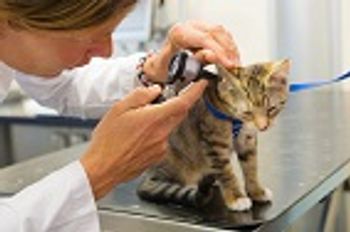
Experts in feline medicine have identified 25 behavioral signs of pain in cats.

The American College of Veterinary Internal Medicine has released a consensus statement on the management of seizures in dogs.

A veterinary study finds that concurrent administration may be OK, depending on which fluoroquinolone you reach for.

The cancer registry includes records of 51,322 cats with 18,375 diagnosed tumors, spanning the years between 1965 and 2008.

The average life expectancy of a dog depends on its specific breed and weight; however, rarely do dogs live longer than 15 years. Fortunately, scientists at the University of Washington are working on a project that aims to prolong the number of healthy years in a dog’s life by 2 to 5 years, or more.

Reading to dogs may improve reading performance in children but more studies are needed, say the authors of a recent systematic review published in PLOS One.

The American College of Veterinary Internal Medicine (ACVIM) recently published an updated consensus statement on screening canine and feline blood donors for blood-borne pathogens.