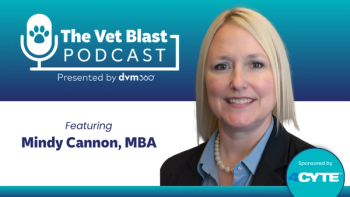
Mindy Cannon, MBA, explains what 4CYTE is, how it is dosed, and where veterinary practices can find it, in this episode of The Vet Blast Podcast presented by dvm360
When we offer pet insurance or third-party payment plans, some clients are quick to turn us down. What are we doing wrong?
When we offer pet insurance or third-party payment plans, some clients are quick to turn us down. What are we doing wrong?
"If clients are genuinely finding value in your recommendations and what you do, then they may turn down the financing alternatives because of how you present them," says Dr. Karen Felsted, CPA, MS, CVPM, president of Felsted Veterinary Consultants Inc. in Dallas. "Insurance and third-party payment plans are great options, and you need to communicate them as such."
Dr. Karen Felsted
The practice team should decide which companies and programs they want to promote, she says. Then make sure that everyone in the practice understands how the plans work and the benefits to the client and the practice.
"Clients don't just want to be handed a couple of brochures," Dr. Felsted says. "They want to know what you recommend. If the plans are presented as a last-ditch option instead of a powerful way for the client to provide better care, then clients will likely pick up on this lack of enthusiasm."
Dr. Felsted recommends regularly talking to clients about these options during the puppy and kitten and annual visits so pet owners know about these programs before they need them.
"Include this information on your website and in your social media activities as well, but don't just include the factual information," Dr. Felsted says. "Share a story about how it helped a particular client and a pet in your practice."