








An evaluation of the prevalence and anatomic characteristics of thoracic caudal articular process dysplasia in French bulldogs, English bulldogs, and pugs presenting for problems unrelated to spinal disease.

An evaluation of the prevalence and anatomic characteristics of thoracic caudal articular process dysplasia in French bulldogs, English bulldogs, and pugs presenting for problems unrelated to spinal disease.

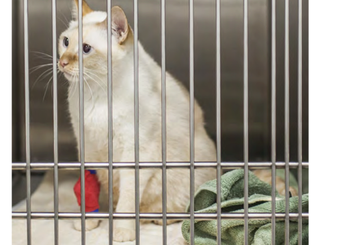
How long do shelter cats with panleukopenia virus survive, and what factors are at play in determining outcome?

A simple blood test may soon replace invasive biopsies for detecting liver disease in many dogs, all thanks to teamwork between veterinarians and medical doctors in London.

Photobiomodulation can improve healing—and quality of life—for veterinary patients with a host of health conditions.

What is the role of minimally invasive bronchoscopy in the treatment of tracheal tumors in cats?

A novel gene therapy has been developed to treat one of the most common forms of retinitis pigmentosa, a disease that causes vision loss in both dogs and humans.

Centragard, which prevents infection with heartworms, roundworms, hookworms, and tapeworms in cats and kittens, is now available.

More than 100 animal products manufactured by King Bio have been recalled due to high levels of microbial contamination.

A recent study examined whether sucralfate inhibited growth of common pathogenic bacteria, such as Pseudomonas and Staphylococcus.

Dr. Christopher Cripps, bee expert and owner of Betterbee in New York, breaks down what you need to know about these tiny food-producing patients.

Findings from a new study show the benefits of cannabidiol-based oil in dogs with osteoarthritis and multi-joint pain.

A retrospective study showed that, while remission rates were high, immunosuppressive therapy rarely cured the dermatologic disorder.

A new study confirms the efficacy of Bravecto in providing 12 weeks of protection against flea infestations in both cats and dogs.

A look at the current state of carbapenem resistance in nontyphoidal serovars of Salmonella enterica.

Results of a recent study found that respiratory disease in some pets is correlated with increased airborne particles in the home.

Factors including motivation, population, and sample size have an impact on CAPC’s prevalence maps for parasitic diseases such as heartworm, Lyme disease, and ehrlichiosis.

Researchers have found interesting similarities between the behavior of overweight dogs and personality traits associated with obesity in humans.

Investigators in Tennessee set out to determine whether hyperbaric oxygen treatments were beneficial for routine management of uncomplicated wounds.

The FDA continues to investigate the possible link between grain-free diets and heart disease in dogs. In the meantime, the agency has provided answers to some commonly asked questions.

The expanded recall now includes an additional quantity of Rad Cat Raw Diet across all varieties.

Developing a weight loss plan for feline patients involves owner education regarding a balanced diet, calorie reduction, portion control, and increased physical activity.

According to results of a recent study, the use of pheromones significantly reduced aggression in multicat households within 21 days.

President Trump recently signed a bill that would give veterinarians more access to FDA-approved drugs.

For pet owners whose cat or dog suffers from the condition, understanding and treating urinary incontinence is anything but simple.

Combining radiology, echocardiography, and cardiac stress marker results can bring clarity to ambiguous cases.

We have combined American Veterinarian® and Veterinarian’s Money Digest® into a single publication under the American Veterinarian® umbrella.

Is your practice mascot a two-headed monster or a friendly clinic cat? Fetch dvm360 conference speaker Ori Scislowicz offers tools and advice to transform your team.

Despite major postoperative complications, the authors of a recent study concluded that permanent tracheostomy placement in brachycephalic dogs with severe laryngeal collapse is a suitable salvage option.

The FDA is calling on the public to help determine how animal drug sponsors can better demonstrate the effectiveness of new canine heartworm preventives.