






Consider using some of October’s animal-centric holidays to promote your veterinary services and keep your patients healthy.
Consider using some of October’s animal-centric holidays to promote your veterinary services and keep your patients healthy.
Veterinary architect shares the features that teams love.

Many owners alter their dog’s diet after a diagnosis of idiopathic epilepsy—usually without veterinary supervision. Here’s what you should know.

Regardless of neck length or species, all mammals have 7 cervical vertebrae. That is, until pug dogs have appeared to break out of these evolutionary constraints.
A recent study evaluated efficacy of the 2 drugs in an endemic region for canine Leishmania and Dirofilaria immitis infections.

The CDC has linked a multidrug-resistant Campylobacter outbreak to exposure to pet store puppies.

A binational study revealed several important child, dog, and home environment factors that contribute to dog bite occurrence in both Jamaica and the United States.

The One Health Research Foundation, now officially a nonprofit public charity, provides support to a variety of One Health research and programs.

Tests showed the Speed Diro test is highly sensitive and specific for D immitis antigen, even in cases of low worm burden.

Veterinary participation in Indiana’s Prescription Drug Monitoring Program is suboptimal; new laws are set to change that.

A survey of Veterinary Orthopedic Society members collected data on surgeons’ preferences and perceived complications of 4 cruciate repair procedures.
Timely recognition of this potentially severe disease and management of associated complications are critical for patient comfort and treatment success.

The FDA is warning veterinarians and pet owners that products in the isoxazoline drug class have reportedly led to neurologic adverse events.

The FDA is reminding veterinarians of the potential dangers of using nonapproved compounded formulations of transdermal mirtazapine to manage undesired weight loss in cats.

A new insurance offering from AAHA and Petplan aims to bring more options for pet owners facing major illness- or accident-related veterinary expenses.
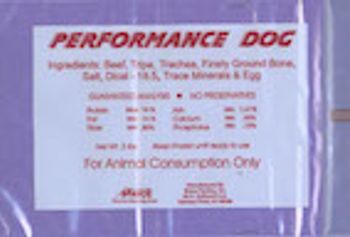
A voluntarily recall has been issued after samples collected during an FDA inspection tested positive for Salmonella.

A recent article reviewed potential tissue sources and applications for stem cell use in veterinary patients.

What potential dangers should pet owners know about after a hurricane or other natural disaster?
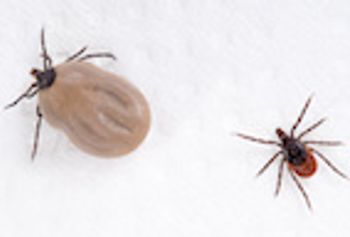
Evidence from 54 studies suggests that the lone star tick cannot transmit Borrelia burgdorferi.
The FDA’s Center for Veterinary Medicine is instituting a 5-year plan to support antimicrobial stewardship in veterinary settings.
In advance of National Pet Diabetes Month in November, the Diabetes PetCare Alliance program is now accepting enrollment.
The American Heartworm Society has released updated guidelines for the prevention, testing, and treatment of canine heartworm.
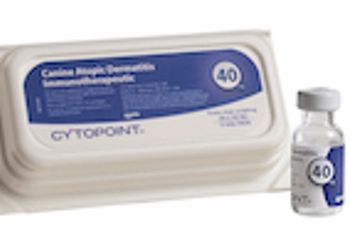
The US Department of Agriculture has expanded the indication for Cytopoint (Zoetis) to include allergic dermatitis in dogs.

Bayer and NeuroCycle Therapeutics have signed a global license agreement with plans to bring to market new treatments for allergies in dogs and cats.

Investigators found that over a 6-year period the number of babesiosis cases decreased as the number of canine veterinary visits rose.

Nearly all responding general practitioners in the United Kingdom reported cases of pseudopregnancy, most often diagnosed by behavioral signs.
According to a recent review, oral vaccination may significantly reduce canine rabies cases worldwide.
A new study reveals that some commonly reported risk factors for urine marking and latrine behavior in cats may not play a role in the behaviors after all.

Steve’s Real Food is recalling 3 lots of raw pet food due to the potential for contamination with Salmonella and Listeria.

WSAVA recently assessed small animal infectious disease and vaccinology trends in Mexico, and offered practitioners guidance on best vaccine practices.