








The on-campus research and pathology building will focus on improving the understanding of zoonotic and vector-borne diseases.
The on-campus research and pathology building will focus on improving the understanding of zoonotic and vector-borne diseases.

According to an FDA alert, dogs developing dilated cardiomyopathy that are not typically prone to the disease have 1 thing in common—they’ve been fed diets containing legumes, lentils, and potatoes as the main ingredients.

Scientists have long been searching for effective methods to prevent debilitating or deadly vector-borne diseases in humans around the world. Now, a new study suggests that veterinary parasiticides may be what they have been looking for all along.

The use of Alfaxan has grown rapidly among US veterinarians due to its wide safety margin. And now, a new product registration has been approved by the FDA to increase the drug’s shelf life.

A veterinary research group at OSU has confirmed the existence of an exotic tick that has been previously reported in New Jersey, Virginia, and West Virginia.

This year’s Award for Scientific Achievement recognizes a professor emeritus of surgery and dentistry for his extensive work.

Dr. Young’s keynote presentation will take place on October 8 at the Atlantic City Convention Center.

If your veterinary practice uses any compounded sterile drugs produced by Ranier’s Compounding Laboratory, the FDA says they need to be quarantined.

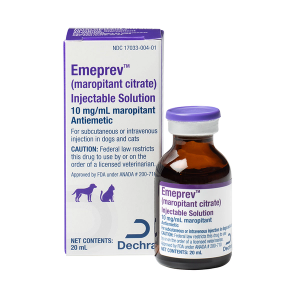
Veterinarians can now order a new FDA-approved drug for the management of weight loss in cats.
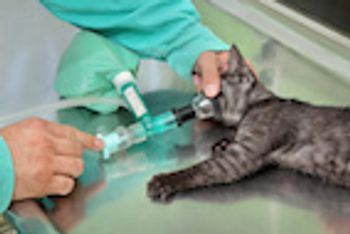
The overarching purpose of the new feline guidelines is to make anesthesia and sedation safer for the feline patient.

Technology continues to be a primary driver, and consumers are winning in terms of the convenience, breadth, and accessibility of content.
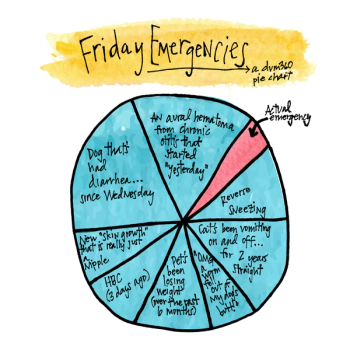
Quick! This is an emergency! Maybe ...
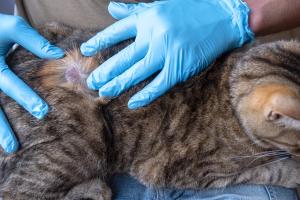
Growing antibiotic resistance has complicated the treatment of bacterial skin conditions. Here’s what to consider when making therapeutic decisions for your patients.

Equine massage therapy continues to gain popularity, and with good reason.
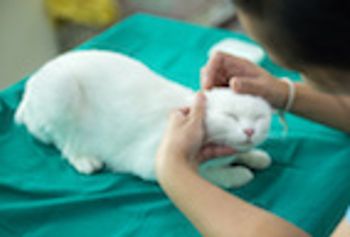
In a retrospective study of 35 cats, most complications were minor, and none led to death.
Ingesting certain plants can be deadly for dogs and cats. Here’s what you need to know to educate your clients and keep your patients safe.

A recent study examined the sensitivity and specificity of ultrasound-guided fine-needle aspirate cytology for diagnosing renal neoplasia and non-neoplastic processes.
Recent advances such as chimeritope technology could potentially be used to develop vaccines against other tickborne diseases as well.
Although still in its infancy in veterinary medicine, targeting neural circuits with electricity offers huge potential to provide focused, personalized treatment for a variety of ailments.

Did you miss any important news last month? These were the 5 most popular articles from June.

It is essential that people administering altrenogest products, intended for use in horses and pigs, take appropriate precautions to prevent human exposure to the medication, the FDA has warned.
The mechanisms behind this familiar condition are multilayered and poorly understood, and treatment must be individualized based on the cause of the problem.
Investigators now have another research tool in their arsenal to help them better understand genetic and developmental diseases in dogs.
I learned firsthand this year how hard these injuries are for pets and their owners.
Did you miss the announcements of these 3 new feline drugs?
Although most animals don’t love loud noises, for a large subset of pets—nearly half, by some estimates—the sensitivity to sudden, loud noises is more than a dislike.

At Torigen Pharmaceuticals, Inc., veterinarians and immunologists have developed a cancer vaccine that utilizes a patient's own tumor cells.

If the oral dosing syringe for Sileo, a drug prescribed for dogs suffering from noise aversion, is not locked properly, the dog may receive an accidental overdose of the drug.

This year’s Global One Health Award winners are recognized for their work in developing more sensitive Bartonella tests.

Forecasters are predicting an exceptionally hot summer for those living out west and near or slightly above average temperatures for the Midwest and Northeast. This means pet owners should be on high alert when spending time outside with their pets, and veterinarians should be ready for an increased caseload. Do you know the 3-tiered approach to treating heatstroke?
