






























Check out this list of dog breeds affected by common heart disorders.
Check out this list of dog breeds affected by common heart disorders.
Correlating the progression or severity of disease with a specific biologic substance can greatly influence the ability to predict outcome.
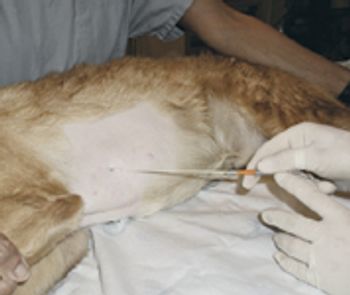
Removing pericardial effusion is important from both a diagnostic and a therapeutic standpoint.
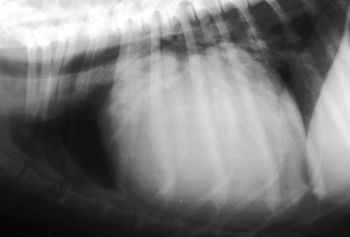
Pericardial disease in small animals is relatively uncommon, but its presence may be life-threatening.
The most common causes are defective heart muscle, valvular disease, cardiac tamponade, electrical malfunction, heartworms or administration of drugs with profound cardiac effects. In any case, when heart failure results in circulatory collapse and inadequate tissue oxygenation, the patient is said to be in cardiogenic shock. The term "cardiogenic shock" describes a shock syndrome where cardiac output is reduced as a direct result of heart failure.

Cardiovascular (ECG, CVP, blood pressure) monitoring is essential to detect patient changes and to direct therapy and supportive care.
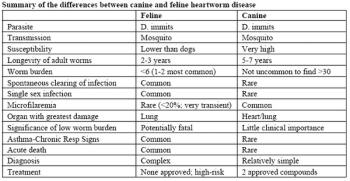
Feline heartworm disease is more common than previously believed, often fatal and completely preventable. It is now estimated that 26% of cats may be infected with heartworm disease. This is very significant especially when compared to 5% who are FeLV positive and 6% who have FIV.
Case studies will be utilized to highlight major points in this presentation.
Electrocardiography is an integral part of the cardiological exam. It is the only way to determine heart rhythm accurately and to determine if there are any conduction abnormalities.
CDVD is the most common cause of cardiac disability in dogs. The disease process is best described as myxomatous degeneration of the heart valves wherein the integrity of the valves is compromised often resulting in valvular insufficiencies.
Diuretics (reduction in preload), vasodilators (reduction in preload or afterload), angiotensin converting-enzyme inhibitors (reduce afterload and preload, reduce fibrosis), and positive inotropic drugs (increase contractility, may reduce regurgitant volume) all have demonstrated the capacity to lessen the severity of mitral regurgitation and dilated cardiomyopathy under certain conditions.
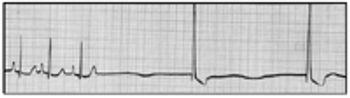
The electrocardiogram (ECG) is a commonly employed diagnostic tool to help in the evaluation of cardiac arrhythmias, to help detect cardiac chamber enlargement, and to identify electrolyte abnormalities.
A systematic approach to the evaluation of the ECG will ensure against overlooking important abnormalities.
The cause(s) of dilated cardiomyopathy (DCM) in dogs is (are) unknown. Some of the proposed causes of DCM include: genetic defect(s), viral infection, microvascular spasm, chemical toxin(s), dietary deficiency, and immune-mediated processes.
The primary objectives of the cardiovascular evaluation for animals with congenital heart disease are to define the nature and severity of the anatomic defect present. Familiarity with the available therapeutic options, their efficacy and limitations is necessary before an accurate prognosis can be offered to the owner.
Myocardial disease is the most frequently diagnosed type of heart disease in the cat.
Read the ACVIM's consensus statement "Guidelines for the Diagnosis and Treatment of Canine Chronic Valvular Heart Disease."
These guidelines provide a framework for veterinarians to think about diagnostic strategies to screen for the presence of valvular disease.
To more objectively categorize patients and to complement the current classification system, the American College of Veterinary Internal Medicine (ACVIM) Specialty of Cardiology consensus panel has developed a set of guidelines for the diagnosis and treatment of CVHD.

A Q&A with veterinary cardiologist Stephen J. Ettinger, DVM
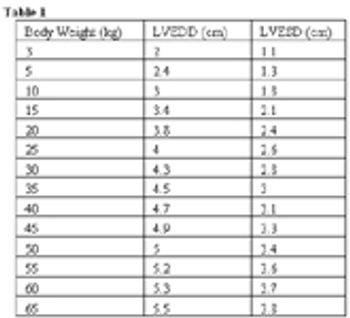
Echocardiography has emerged as the most valuable non-invasive tool for evaluation of cardiac structure, function, blood flow patterns, and has greatly diminished the need for diagnostic cardiac catheterizations and angiocardiography in many cases.
The primary indication for obtaining an electrocardiogram (ECG) is to evaluate an arrhythmia.
Feline heart disease is common and can be challenging to diagnose.
Congestive heart failure (CHF) is a common sequela to severe cardiac disease.